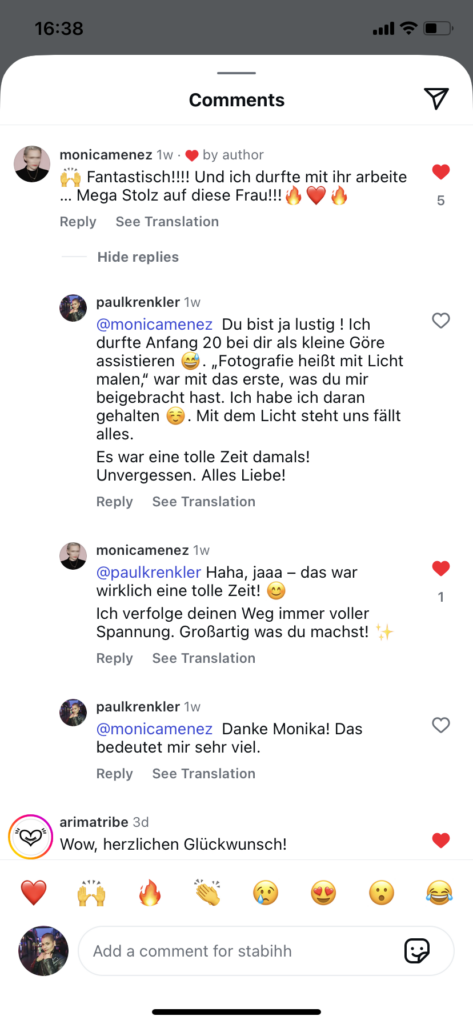
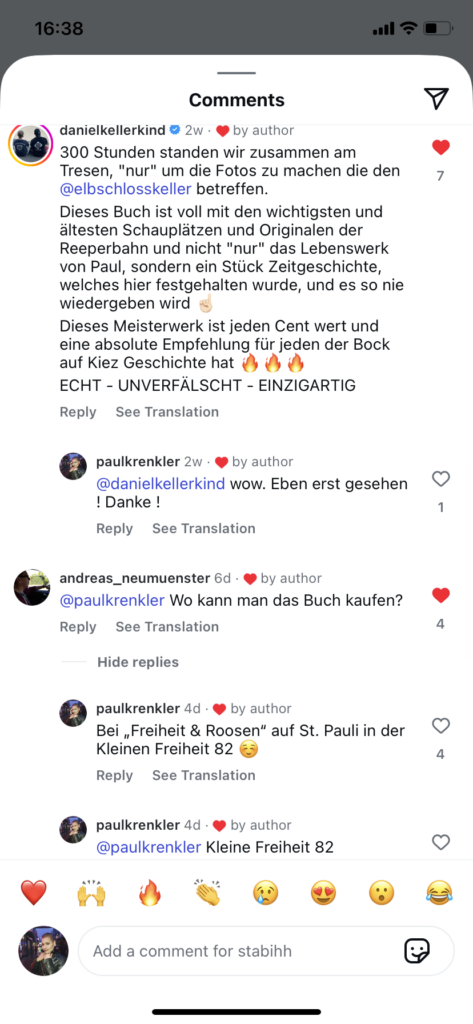
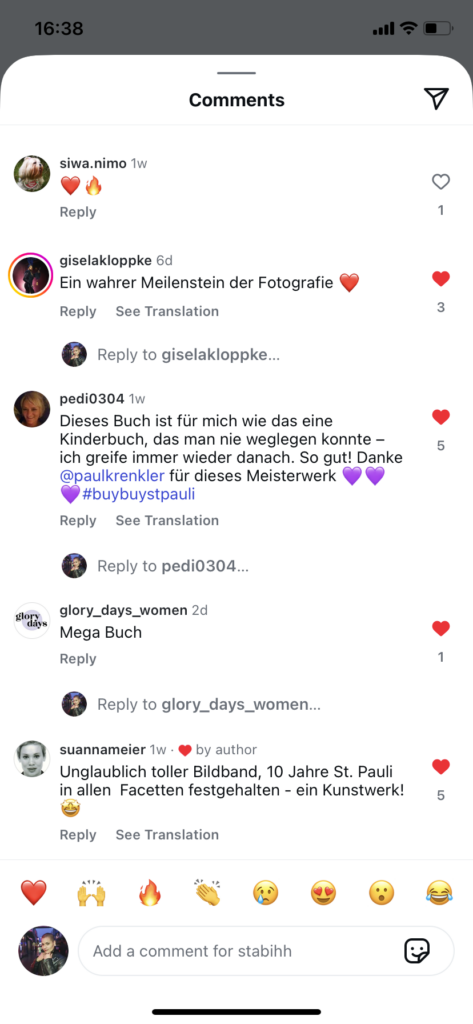
“Buy Buy – St. Pauli”

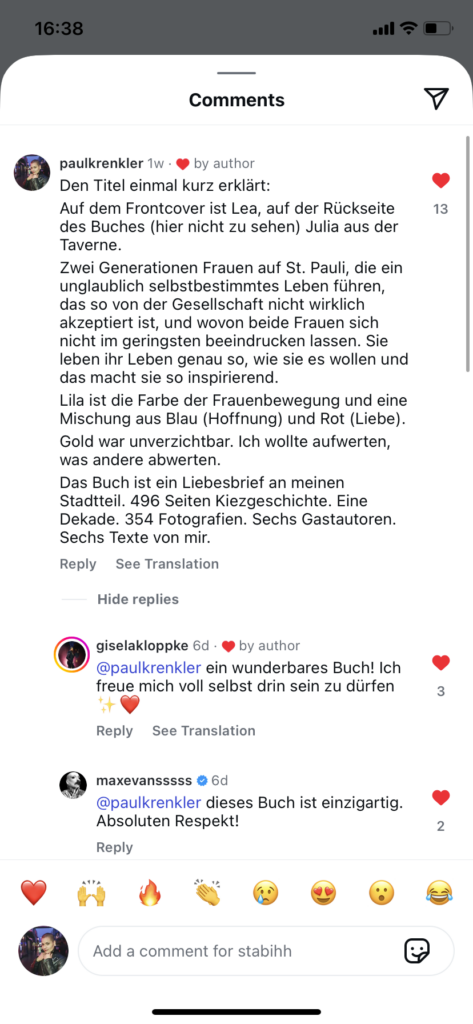
The Book: „Buy Buy – St. Pauli“

This book is a celebration of diversity. In the meaning everyone has the right to be whoever they are and to live the life they choose for themselves.

It’s a love letter to my old hood called St. Pauli. St. Pauli is the harbor district of Hamburg, shaped by history. For centuries sailors flooded the hood looking for amusement. Prostitutes followed the sailors, which is why it is still a red-light district. But that’s not all: St. Pauli has become a melting pot of all kinds of lifestyles.

With this book I captured one decade of the hood. The Esso buildings were the starting point for my photography shown in this book. This postwar building had more than 120 residents, as well as shops, bars, clubs, and even a porn cinema. The building was named after the Esso gas station that was part of it.

In 2007, one of Germany’s largest real estate companies bought the building with the clear goal of demolishing it and building something new to maximize profit. This was rather naive. The people of St. Paul know how to fight, and they weren’t going to let their homes be taken away. The Esso buildings then became a national symbol of gentrification. Money is swiping out the people, but they do have resistance.

I was part of the fight. I did portraits of the people who lived in the buildings at their doors. I documented the protests, failures, and victories. I took architectural photographs to show the beauty. This is part one of the book.


Part two of the book covers the entire neighborhood. I took portraits of pimps, prostitutes, pastors, nuns, and small business owners. I also took portraits of the police and the anarchists. As I said before, everyone has the right to be there. No one is equal — that would be a terrible thing — but no one is more or less worthy than anyone else.

Authors
  • Dr. Andrew Spano is the author of books on psycholinguistics and the publisher
    of Atropos Press Balkans. He lives in Belgrade, Serbia.


  •  Prof. Dr. Sabine Stövesand  teaches social work at the University of Applied Sciences in Hamburg; furthermore, she is active in community work. Her current focus is on violence in gender relations.


  •  Balkan Günther


  • Since 2002, Sieghard Wilm has been the pastor of the St. Pauli Church, which gave the hood its name in 1833. He wrote about his experiences in a book titled St. Pauli, meine Freiheit (St. Pauli, My Freedom).


  •  Christoph Twickel born 1966, moved to St. Pauli in 1988. He writes about music, clubs, culture and urban development for the weekly newspaper Die Zeit. Christoph lives in the old town of Altona, a district of Hamburg.


  •  Michael Pahl was head of the board of “1910 – Museum für den FC St. Pauli e.V.” (the club’s museum) from 2012 to 2022 and is the co-author of FC St. Pauli’s official 100th anniversary book.
NDR - Book Release
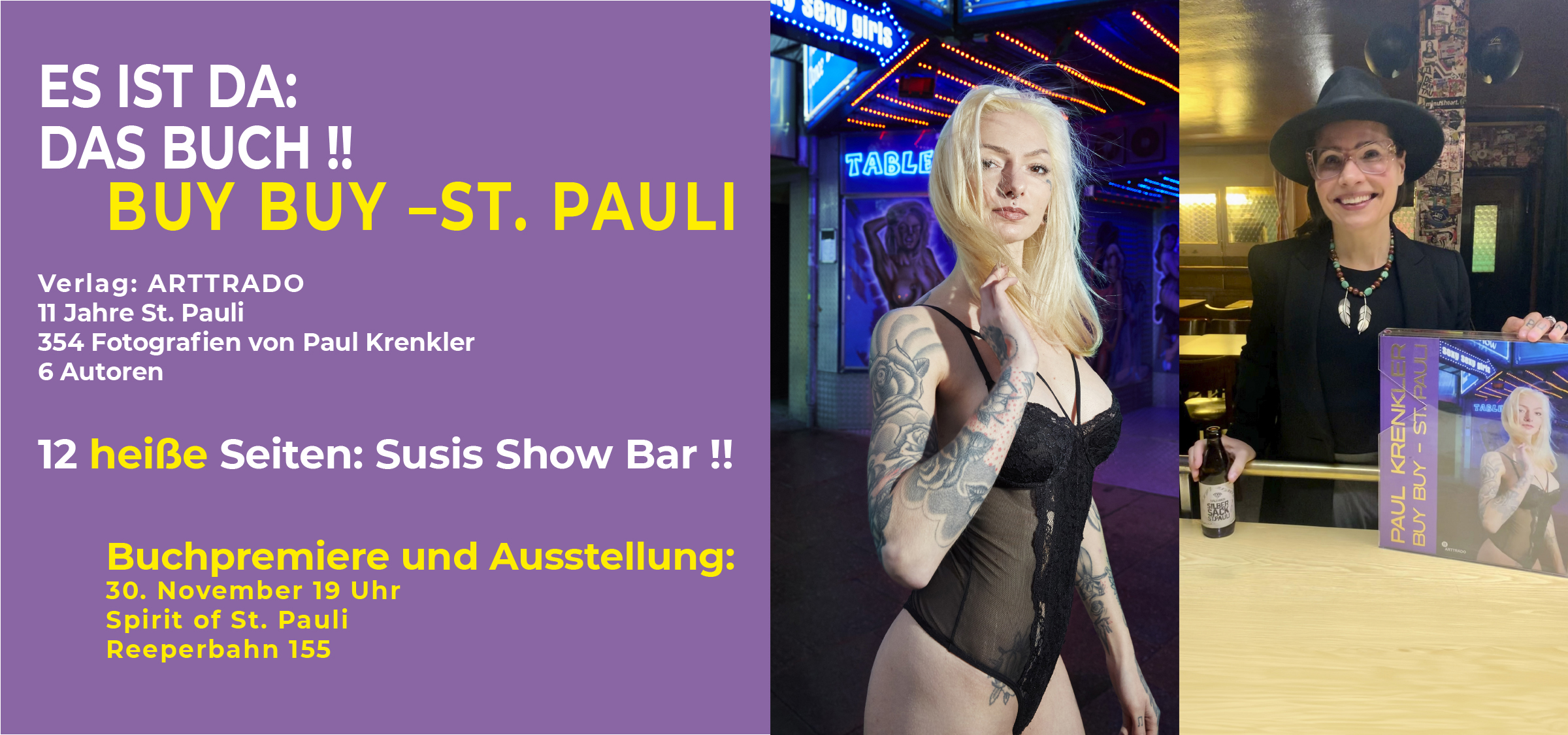
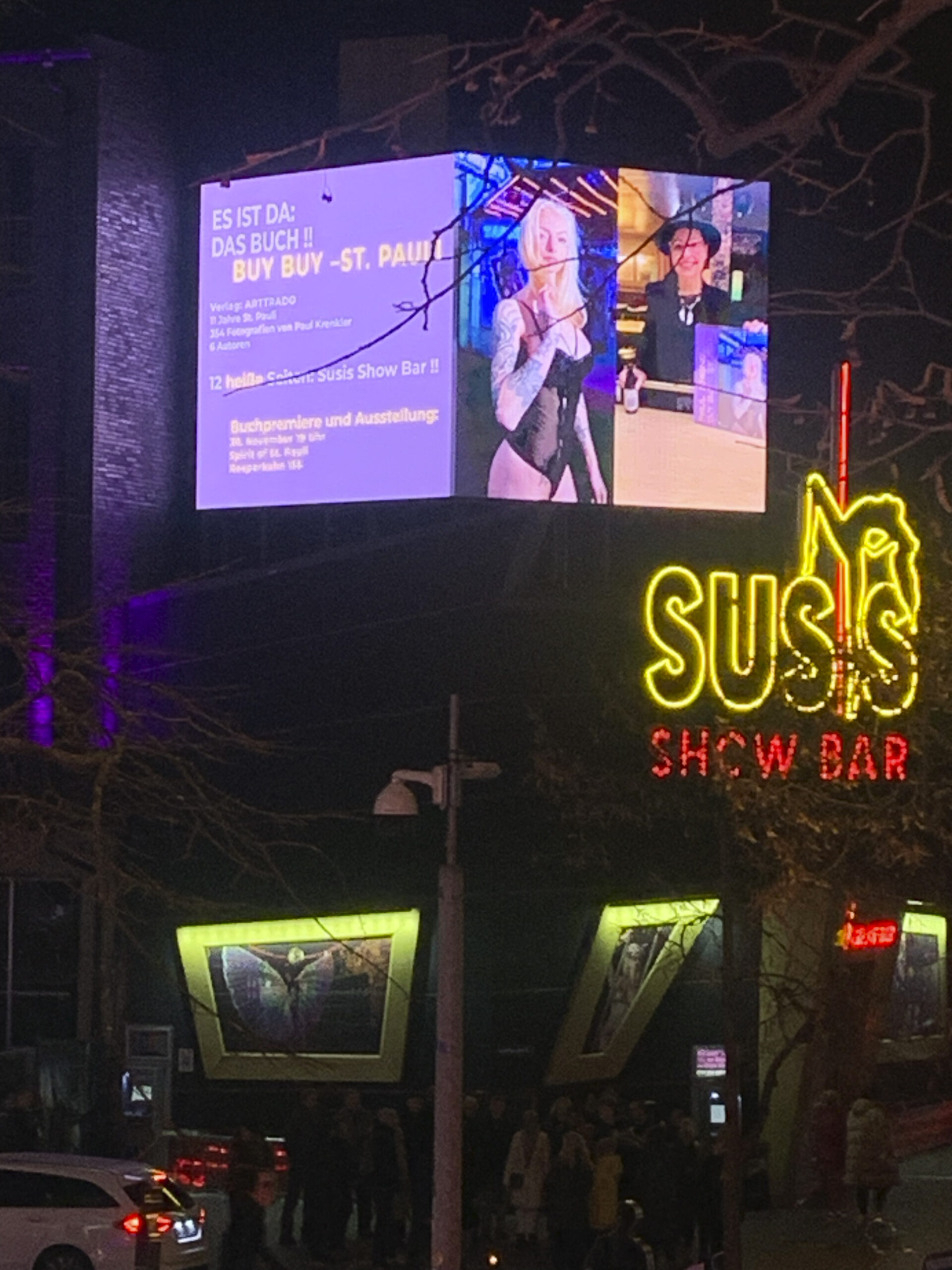
"SUSIS SHOWBAR"- Book Release
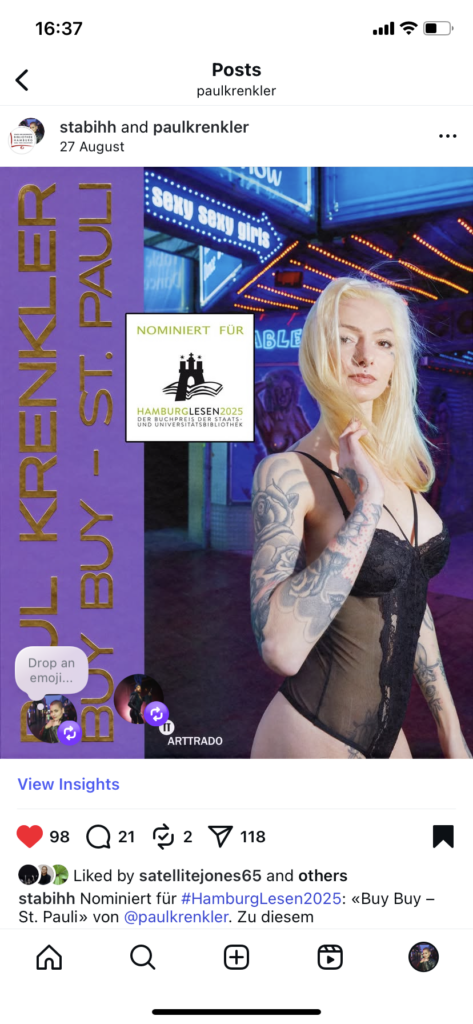
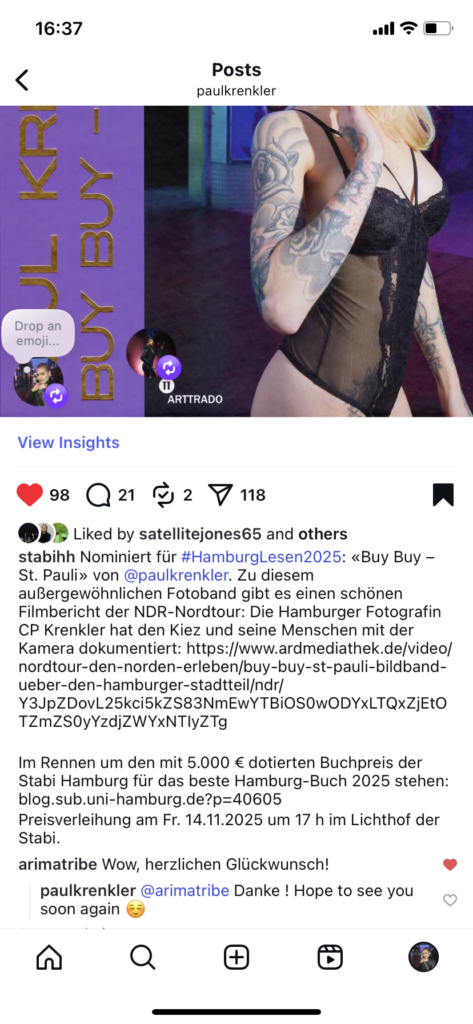
Book price nomination of the State library

“Buy Buy – St. Pauli”

The Book: „Buy Buy – St. Pauli“

This book is a celebration of diversity. In the meaning everyone has the right to be whoever they are and to live the life they choose for themselves.

It’s a love letter to my old hood called St. Pauli. St. Pauli is the harbor district of Hamburg, shaped by history. For centuries sailors flooded the hood looking for amusement. Prostitutes followed the sailors, which is why it is still a red-light district. But that’s not all: St. Pauli has become a melting pot of all kinds of lifestyles.

With this book I captured one decade of the hood. The Esso buildings were the starting point for my photography shown in this book. This postwar building had more than 120 residents, as well as shops, bars, clubs, and even a porn cinema. The building was named after the Esso gas station that was part of it.

In 2007, one of Germany’s largest real estate companies bought the building with the clear goal of demolishing it and building something new to maximize profit. This was rather naive. The people of St. Paul know how to fight, and they weren’t going to let their homes be taken away. The Esso buildings then became a national symbol of gentrification. Money is swiping out the people, but they do have resistance.

I was part of the fight. I did portraits of the people who lived in the buildings at their doors. I documented the protests, failures, and victories. I took architectural photographs to show the beauty. This is part one of the book.

Part two of the book covers the entire neighborhood. I took portraits of pimps, prostitutes, pastors, nuns, and small business owners. I also took portraits of the police and the anarchists. As I said before, everyone has the right to be there. No one is equal — that would be a terrible thing — but no one is more or less worthy than anyone else.
Authors
  • Dr. Andrew Spano is the author of books on psycholinguistics and the publisher of Atropos Press Balkans. He lives in Belgrade, Serbia.


  •  Prof. Dr. Sabine Stövesand  teaches social work at the University of Applied Sciences in Hamburg; furthermore, she is active in community work. Her current focus is on violence in gender relations.


  • Balkan Günther


  • Since 2002, Sieghard Wilm has been the pastor of the St. Pauli Church, which gave the hood its name in 1833. He wrote about his experiences in a book titled St. Pauli, meine Freiheit (St. Pauli, My Freedom).


  • Christoph Twickel born 1966, moved to St. Pauli in 1988. He writes about music, clubs, culture and urban development for the weekly newspaper Die Zeit. Christoph lives in the old town of Altona, a district of Hamburg.


  •  Michael Pahl was head of the board of “1910 – Museum für den FC St. Pauli e.V.” (the club’s museum) from 2012 to 2022 and is the co-author of FC St. Pauli’s official 100th anniversary book.
NDR - Book Release
"SUSIS SHOWBAR"- Book Release
Book price nomination of the State library